

Demand Gen campaigns show how important it is to have variety. They encourage advertisers to use a mix of image and video assets in square and vertical formats.
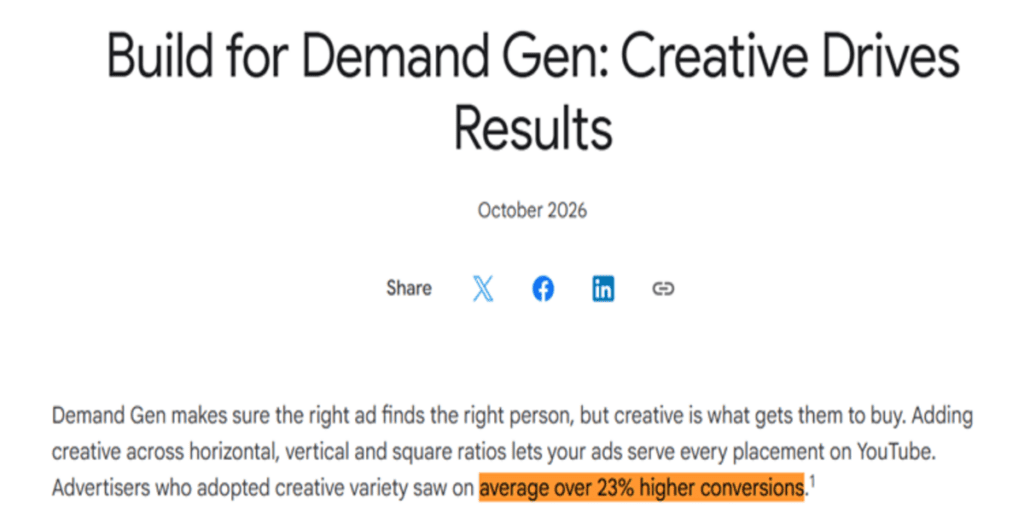
In its October 2026 update, Build for Demand Gen – Creative Drives Results, Google reported that advertisers who adopted variety saw over 23% higher conversions on average.
Why Creative Variety Matters in Demand Gen
Demand Gen campaigns help advertisers reach customers on visual Google platforms, such as YouTube, Discover, and Gmail.
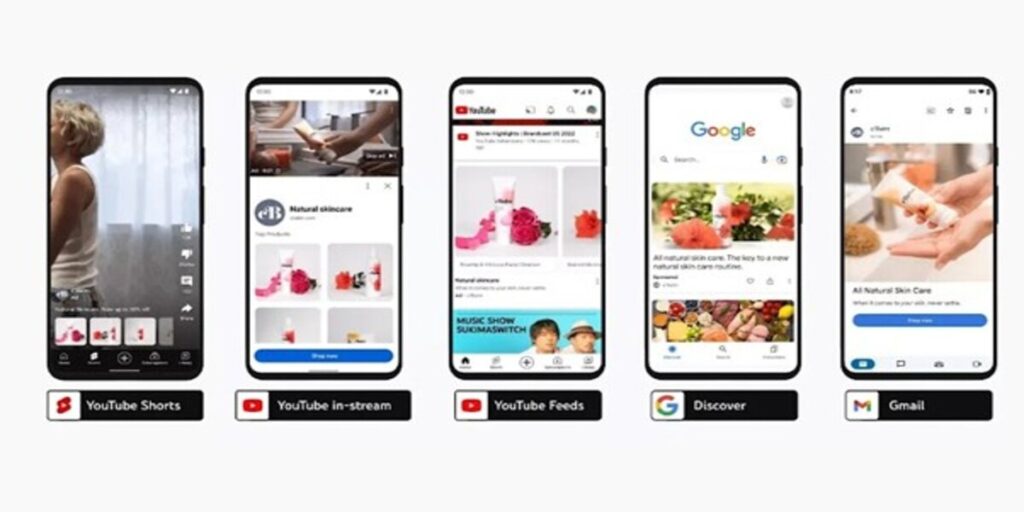
Using creative formats lets advertisers adjust their ads for various placements and viewing experiences. Instead of relying on just one image or video, advertisers can offer multiple assets. These show their products, services, and brand messages in different ways.
Google recommends building assets in horizontal, square, and vertical formats to help ads fit available YouTube placements.
How Advertisers Can Build Creative Variety for Demand Gen
Google highlights three ways to develop more creative assets without requiring a large production budget.
1. Repurpose Existing Brand Assets
I think advertisers can reuse existing TV commercials, social media creatives, product photos, and other marketing materials. Editing these to focus on the product makes ad content clearer.
Brand owners can also create product‑focused videos from footage or even from a smartphone.
2. Work With Content Creators
Creators who know the industry can show products in a relatable way. Google suggests planning creator content across aspect ratios. This way, the assets can be used in different places.
3. Use Google AI to Develop New Assets
Advertisers can use Gemini Omni in Google Ads Asset Studio to generate and refine assets. The workflow allows advertisers to provide brand guidelines, upload existing images, generate concepts, and refine videos using prompts.
The finished assets can be prepared in horizontal, square, and vertical formats and added to Demand Gen campaigns.
Google’s Recommended Creative Mix for Demand Gen
Google recommends starting with at least three videos and three images across horizontal, square and vertical formats.
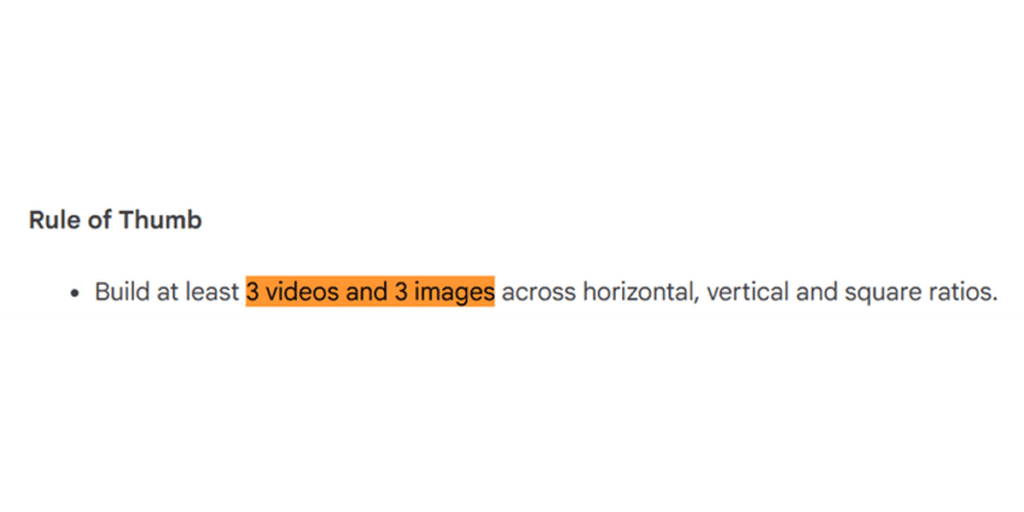
This gives advertisers a starting point for testing different creative approaches. The right combination will depend on the campaign objective, target audience, available placements, and the products or services being promoted.
What This Means for Advertisers
For advertisers, creative variety is a part of demand-gen campaign planning. A campaign may reach the audience, but the creative still needs to capture attention and communicate the value of the offer.
Advertisers should also monitor conversion performance. Test different assets to understand which creative approaches work best for their campaign goals. Google’s reported results provide a reason to test creative variety, but individual campaign performance will vary.
Final Thoughts
Google’s latest Demand Gen guidance puts variety at the centre of campaign planning. By reusing existing assets, collaborating with creators, and using AI-assisted tools, advertisers can build a broader range of image and video ads without starting every project from scratch.
For advertisers, the next step is to review Demand Gen assets, fill format gaps, and measure how different creative combinations affect campaign performance.
Need support with your Google Ads campaigns? Contact us to discuss how WhiteDigital can help your business improve campaign performance.