
When I work with Performance Max campaigns, one thing I always want is a clearer understanding of where the ads are appearing and who is seeing them. Automation can save time. Help manage campaigns across different placements, but advertisers still need enough control to make informed decisions.
For example, if a campaign is spending money on audiences that aren’t relevant to the business or if I cannot clearly understand which searches are bringing visitors to the website, it becomes harder to decide what needs improvement.
Microsoft Advertising is addressing some of these concerns with its Performance Max updates announced on October 28, 2026. The changes bring audience and device targeting options, more exclusion controls, and improved reporting to help advertisers understand campaign activity.
Control Over Age and Gender Targeting in Microsoft Ads
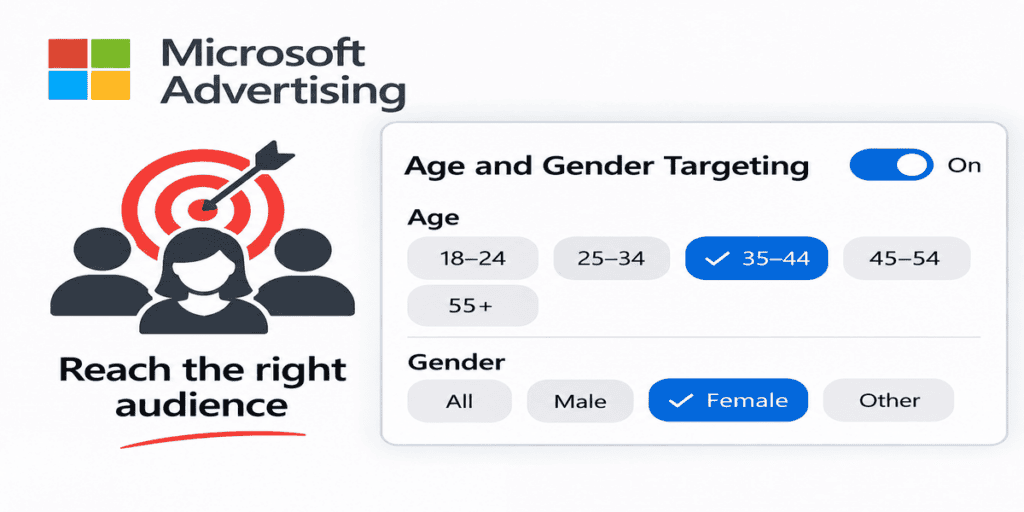
One of the important changes is the general availability of age and gender targeting in Microsoft Performance Max.
Previously, advertisers had less direct control over restricting campaign delivery based on these demographic groups. With this update, advertisers can. Exclude specific age groups and genders.
For example, let’s say I’m running a campaign for a business selling products mostly to customers between 25 and 45 years old. I can use the demographic controls to focus delivery on the relevant age groups instead of allowing ads to reach every group.
However, I would not exclude an audience simply because it performed poorly over a period. I would first review the conversion data. Make sure the decision supports the campaign’s actual goals.
This feature is now generally available.
Device Targeting Is Rolling Out in Microsoft Ads
Another addition is device targeting.
Advertisers will be able to include or exclude device types from Performance Max campaigns. This gives advertisers control over where their ads can appear.
For example, if I notice that a campaign receives clicks from mobile devices but generates more valuable leads from desktop users, I can review the device performance and decide whether an exclusion makes sense.
This can be useful when a business has a website experience or conversion process that works differently across devices.
Microsoft announced that device targeting is rolling out to all advertisers in the coming weeks. It may not be visible in every account immediately.
Audience Exclusions Are Now in Open Pilot
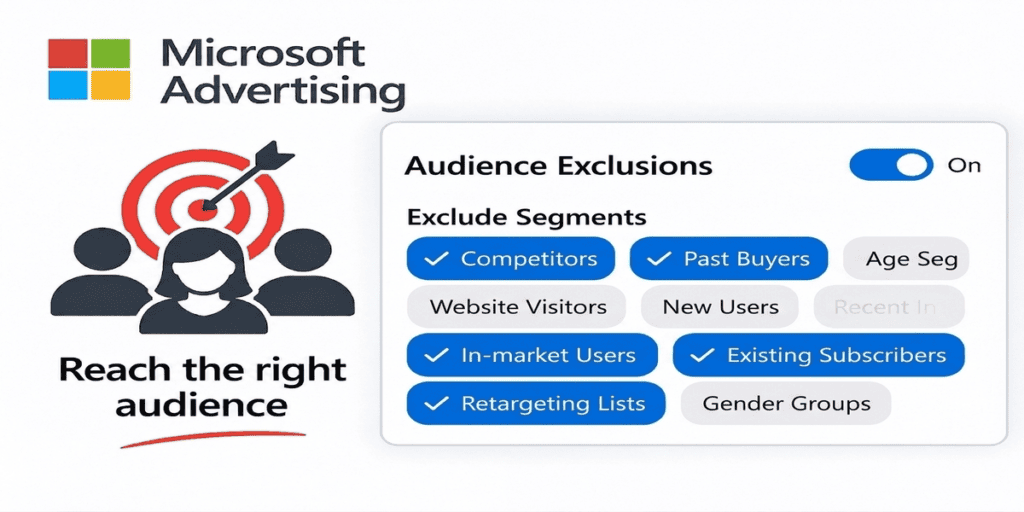
Performance Max relies on automation to reach customers, but there are situations where advertisers may want to prevent certain audiences from seeing their ads.
Microsoft has introduced audience exclusions in a pilot. This allows advertisers to exclude selected audiences from their Performance Max campaigns.
For example, an online store may want to exclude existing customers from a campaign focused on acquiring new customers.
This can help advertisers manage campaign reach according to their marketing objectives.
Since this feature is still in pilot, it is not available to every advertiser. Microsoft recommends contacting the account team or support to express interest in joining.
Search Term Reporting Provides More Visibility in Microsoft Ads
When I review a search campaign, I usually want to understand what people are actually searching for before clicking an ad. The same information is valuable when working with Performance Max.
Microsoft Ads has made search term reporting available for Performance Max campaigns. Advertisers can review the searches that triggered their ads and better understand what users are looking for.
For example, suppose I am managing a campaign for a furniture store. The search term report may help me understand whether the ads are appearing for searches such as ” bedroom furniture” or “affordable office chairs”.
This information can help me identify whether the campaign is attracting search traffic and where improvements may be needed.
Auction Insights Helps Compare Competitors in Microsoft Ads
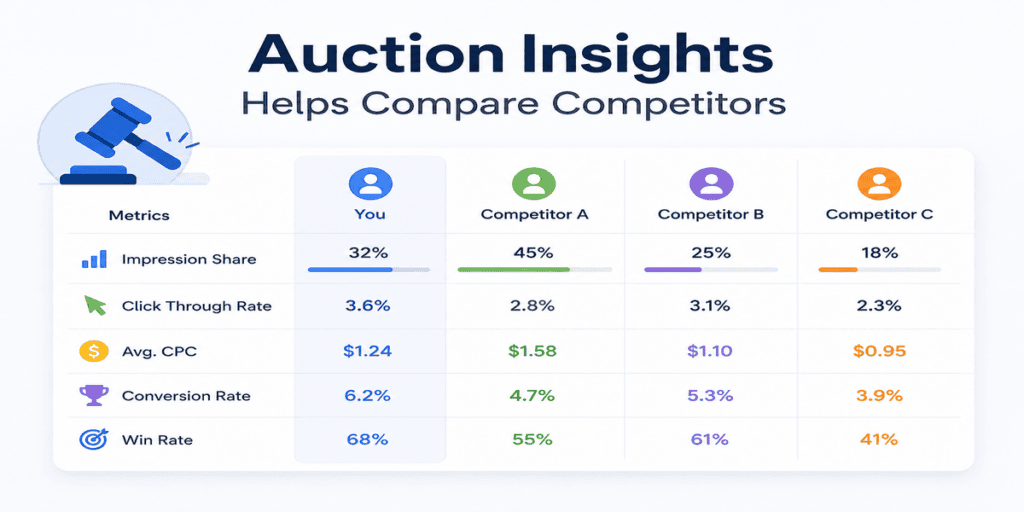
Understanding my campaign performance is important, but I also want to know how the campaign is performing in comparison with other advertisers competing in the same auctions.
Microsoft Ads has also made Auction Insights reporting available for Performance Max.
This gives advertisers visibility into how their campaigns compare with competitors. Instead of looking only at clicks and conversions, advertisers can use the available competitive insights to understand their position in the auction.
For example, if I notice that campaign visibility changes, auction insights can provide context about how other advertisers are competing for the same opportunities.
This information can support decisions about campaign strategy and budget allocation.
Search Term Landing Page Reporting Is Coming in Microsoft Ads
Another reporting improvement is Search Term Landing Page reporting, which Microsoft says will begin rolling out from mid-November 2026.
This report is designed to help advertisers understand how a user’s search intent connects with the landing page they are directed to.
For example, someone searching for “office chairs” should ideally reach an office chair page rather than a general furniture homepage.
When the search term and landing page are not closely connected, the visitor may not find what they expected. This can affect the user experience and the chances of generating a conversion.
With this reporting, advertisers will have another way to review whether Performance Max is directing visitors to pages.
What This Means for Advertisers
When I look at these changes together, the main improvement is the visibility and control available within Performance Max.
Automation is useful. Advertisers should not have to depend on it without understanding what is happening inside their campaigns.
With device targeting, audience exclusions, search term reporting, and auction insights, advertisers have more information to guide their campaign decisions.
I would recommend reviewing the available reports before making major targeting changes. Search terms can reveal traffic; demographic data can help identify useful audience groups, and auction insights can provide context about competition.
It is also important to remember that these features have availability statuses. Age and gender targeting, search term reporting, and auction insights are available, while device targeting is rolling out and audience exclusions remain in pilot. Search term landing page reporting is scheduled to begin rolling out in mid-November.
For advertisers using Microsoft Performance Max, updates are a step towards making automated campaigns easier to understand, manage, and improve.
Need help managing or improving your Microsoft Ads campaigns? Connect with WhiteDigital team for PPC support and campaign optimization.