
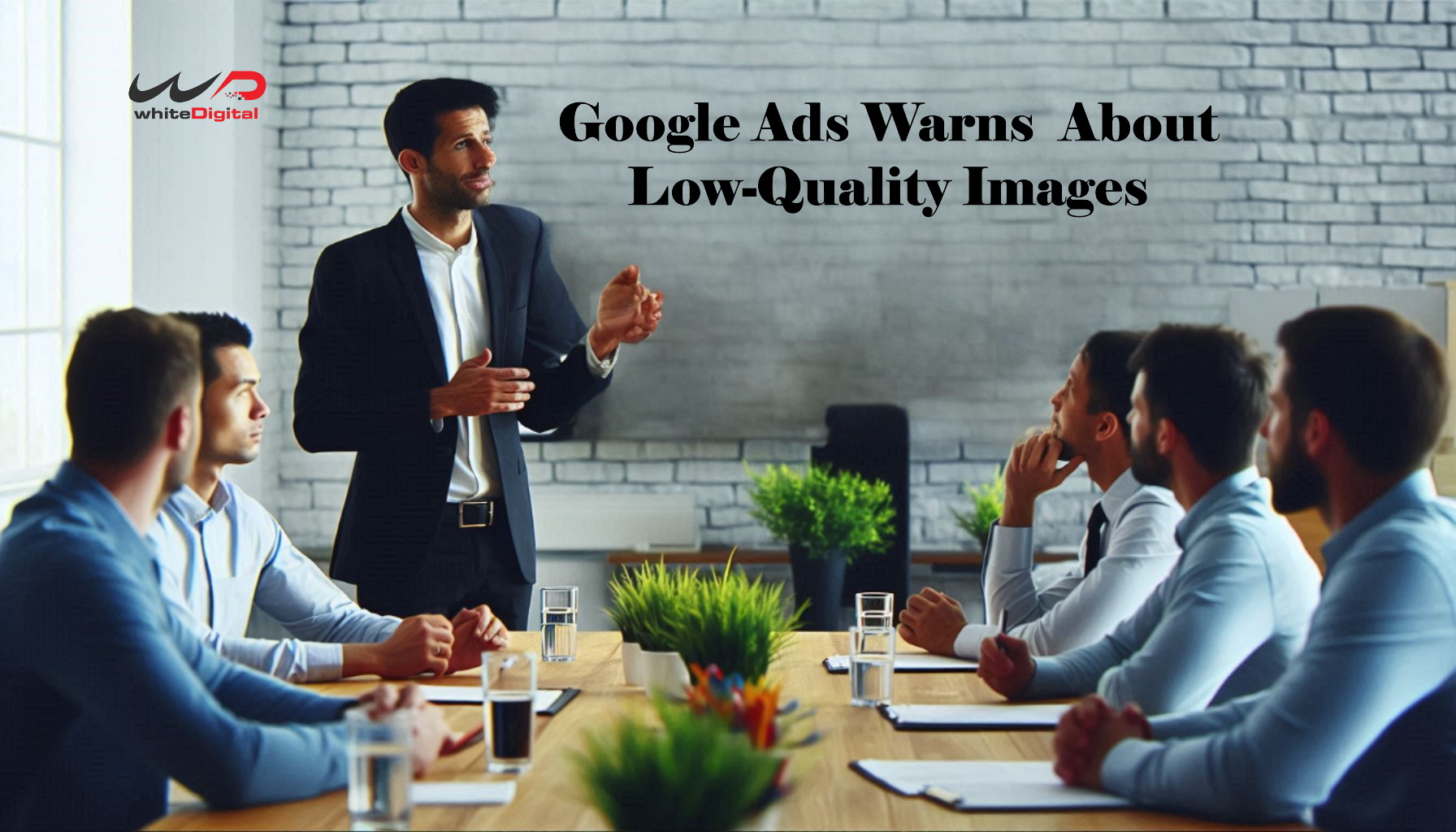
Google Ads has brought in a new feature that is the system will now check the quality of images uploaded by advertisers. If the image is marked “low-quality,” it will show a warning or suggestion.
The new image quality checks can be found in the “Recommendations” tab of your Google Ads account. Ads that have uploaded visual assets will receive suggestions such as “change the background colour to white” or “improve image clarity.” Advertisers can preview these suggestions directly in the dashboard and apply any fixes.
So what? Images are increasingly having more importance to ad performance, particularly across the Display Network, Gmail, etc.
Better / cleaner images are more engaging to viewers. With better image quality, advertisers can achieve better ad visibility, better placements, higher engagement, and better ROI. Since Google will be using machine learning (AI-driven tips) to assess visual elements of ads, now the image quality (the “creative” aspect) is a lever you should begin considering.
What this means for advertisers
It is important to review the image assets for Google Ads. You should check if they appear too dark or blurry, as this can be distracting.
Why does it matter?
To improve the user experience is the primary intent behind it. Less clean, poor quality images are annoying to users. Ads with clean, quality images are less annoying and more engaging to users. If the audience is much more receptive, there is a lower chance of them leaving.
With this initiative, they will make the ads better. If advertisers use better assets, ads work better; better performance will lead to more ad spending. And when advertisers invest more in advertising, their ad is, in turn, benefiting from better ads.
Because of machine learning and automation, their ability is able to scale up. Coming to an end, Google Ads now rates the quality of your ad images and suggests adjustments to improve their quality. If you act on those suggestions, changing to clearer, cleaner, simpler images, you are more likely to have a good outcome across Google’s placements. Bottom line: don’t make image assets an afterthought, they matter