
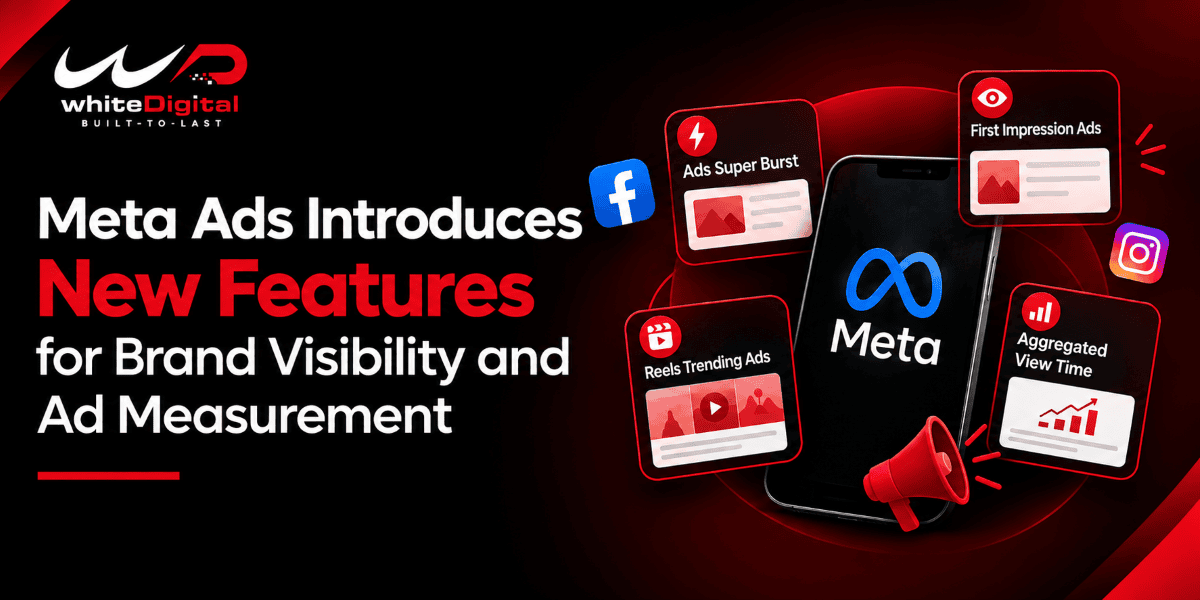
Meta introduced new advertising features at its Brand Building Summit 2026. These new Meta ads features are designed to help brands expand their audiences, make an impression during key moments, and measure audience engagement with ads.
I have researched these updates, and I found it interesting that Meta has concentrated on showing advertisements to people, but also on when they show them and how well people can recall the brand. It may be helpful for those companies who need to create brand awareness, not just conversions.
Ads Super Burst Helps Brands Gain Attention Quickly
This Ad Super Burst is aimed at giving a boost to the brand in terms of visibility within a very short period of time. It can be considered by marketers while advertising for an event, product launch, or promotional campaign. It looks like Meta is soon going to offer this ad service to advertisers.
In my view, this is something that can be considered by businesses that want to generate quick visibility. For example, a firm that has launched a new product can want to see more ads of the firm during this time frame.
It is important for businesses to consider their budgets and aims before using this kind of advertising service.
First Impression Ads Focus on the First Ad Position
Meta has also created First Impression Ads, which are currently undergoing testing in the USA. This type of ad allows one brand to occupy an advertising slot in the Feed for an entire day.
I think that this might be useful for companies who need to make a first impression, especially when launching a new product or conducting major promotions. As it is the first ad people see, it can contribute to brand awareness. However, it should be able to grab attention and convey its message effectively.
Reels Trending Ads Connect Brands with Popular Content
Meta is now looking at adding a larger number of categories for the Reels Trending Ads campaign, where brands are able to put their advertisements among trending content on Reels.
I think this is definitely something worth watching because people come to Reels for entertainment, trends, and content that they enjoy. A suitable ad can definitely help the brand connect with people in a natural manner.
Brands need to choose the right categories, which are in line with the targeted audience as well as with the image of the brand itself. While targeting audiences that are close to any trend can help capture their attention, the message has to resonate with them.
Aggregated View Time Measures Brand Exposure Over Time
Another initiative by Meta Ads is the View Time metric, which is currently in its early stages. Unlike simply counting the total views, it measures the total time spent looking at a particular brand’s ads within a span of a week. This product is currently at the alpha stage.
I like this way because just because one is aware of the brand does not always mean that it would eventually make a click or lead to a purchase; it may well be that someone saw an ad once, remembered the brand in the future, and ended up buying it after a number of interactions.
Measuring the total time spent on exposure can be another way for the advertisers to get an idea about their campaign’s performance in terms of raising awareness. But the true value of this feature is yet to be seen.
My Takeaway
I believe that Meta is giving advertisers new options for building brand awareness, with features focused on timing, ad placement, trending content, and improved measurement.
The most important thing for advertisers is to choose the right option depending on the goals of the campaign; for instance, a product launch can benefit from the spike in visibility, while the brand that wants to remain relevant for its audience needs to focus on Reels and long-term campaigns.
These features are not going to replace creative work, audience research, or campaign measurement; instead, they will serve as ways of planning the presentation of the brand on different Meta platforms. I am going to follow how these features perform as they become available.